PixelPals Haven
Opening the next view…
Preparing the page without changing your saved work.
 Gear intelligence for complete setups
PixelPals Haven
Preparing the page without changing your saved work.
Sim Racing
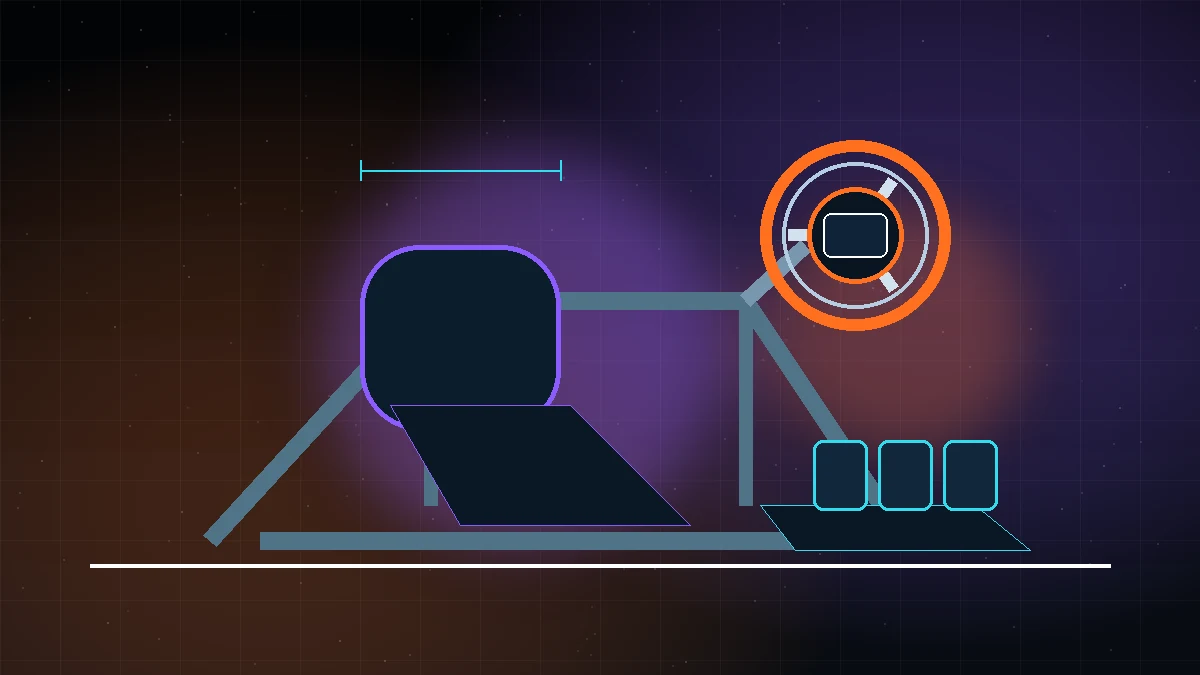
The cockpit determines whether the wheel, pedals and displays stay in the same place every session. Rigidity is important, but fit, adjustability, access, cable routing and room for future equipment decide whether the system is practical to live with.
Decide before buying
Start with platform, mounting, room and the driving problem you want to solve. The product list becomes shorter once those limits are clear.
Measure width, length, access paths and the display footprint before choosing a fixed cockpit, folding frame or wheel stand.
Direct-drive torque, a firm brake, shifters and motion equipment place different demands on the frame and mounting plates.
A single-driver rig can be optimized around one position. Shared rigs need seat sliders, pedal adjustment and repeatable marks.
A combined racing and flight cockpit requires removable controls, clear knee space and cable paths planned before the frame is filled.
Movement between the driver, wheel and pedals changes the input relationship. Flex is most disruptive when it varies with braking or steering load. Reinforce the wheel deck, pedal deck and seat mounts before increasing force.
Set the seat so the driver can press the brake firmly while keeping the hips and shoulders supported. Then position the wheel so the elbows remain bent and the shoulders do not lift or reach at full steering lock.
Set the eye point before finalizing monitor height and distance. A display that is mounted to the cockpit can stay aligned with the seat, while a free-standing monitor stand can isolate screens from wheelbase vibration and simplify adjustment.
Sliders and adjustable plates are useful only when settings can be restored. Mark seat, pedal and wheel positions for each driver and record measurements after the setup feels correct.
Leave room to reach fasteners, power switches and connectors. Use strain relief, label cables and keep high-current power supplies from hanging from USB or data leads. A clean service path reduces downtime when hardware changes.
Primary references
These references support technical statements on this page. They are not affiliate links.
Related reading