PixelPals Haven
Opening the next view…
Preparing the page without changing your saved work.
 Gear intelligence for complete setups
PixelPals Haven
Preparing the page without changing your saved work.
Throttle buying guide
Match engine count, axes, detents and connection rules to the aircraft before choosing the physical layout.
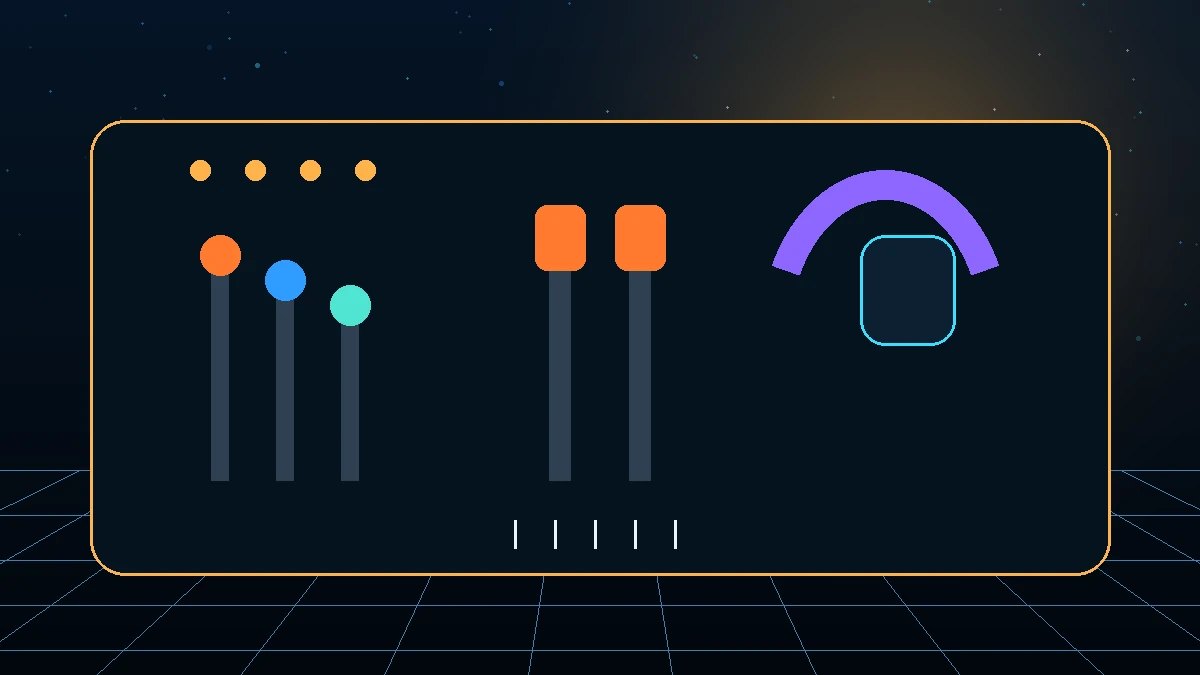
A basic trainer may need one throttle axis. A piston aircraft can add propeller and mixture. A twin or four-engine aircraft can require paired or individual engine levers. Combat aircraft may need one or two throttles plus slew controls, hats and switches. Write the axis list first.
Idle, cutoff, climb, flex, afterburner and reverse positions are useful only when the physical detent and simulator response agree. Some aircraft use negative axis travel for reverse, others use buttons or separate gates. Calibrate the full range before tuning detent positions.
A dedicated throttle can reproduce the spacing and gates of one aircraft family. A configurable quadrant can swap handles and serve piston, turboprop and airliner profiles. The flexible option requires stronger labeling and profile management.
Longer levers can make small changes easier, but they need more space. Adjustable friction prevents unwanted movement while preserving smooth operation. Check whether the axes reach full output without hitting the desk, monitor or adjacent controls.
Some quadrants are standalone USB devices on PC. Others connect through a yoke, HOTAS or console hub. Thrustmaster documents direct connection and engine-selector requirements for its TCA quadrant, while Honeycomb provides separate software and profiles for supported simulators.
Assign the controls used during startup, taxi, takeoff, climb, approach and shutdown. Verify that physical switches do not load in a contradictory state. Save separate profiles when the same lever or switch must perform different aircraft functions.
Published .