PixelPals Haven
Opening the next view…
Preparing the page without changing your saved work.
 Gear intelligence for complete setups
PixelPals Haven
Preparing the page without changing your saved work.
Wireless microphone comparison
Both systems list 48 kHz / 24-bit audio and up to 300 m line-of-sight range. The buying decision is primarily about transmitter design, receiver bundles and how visible the microphone can be on clothing.
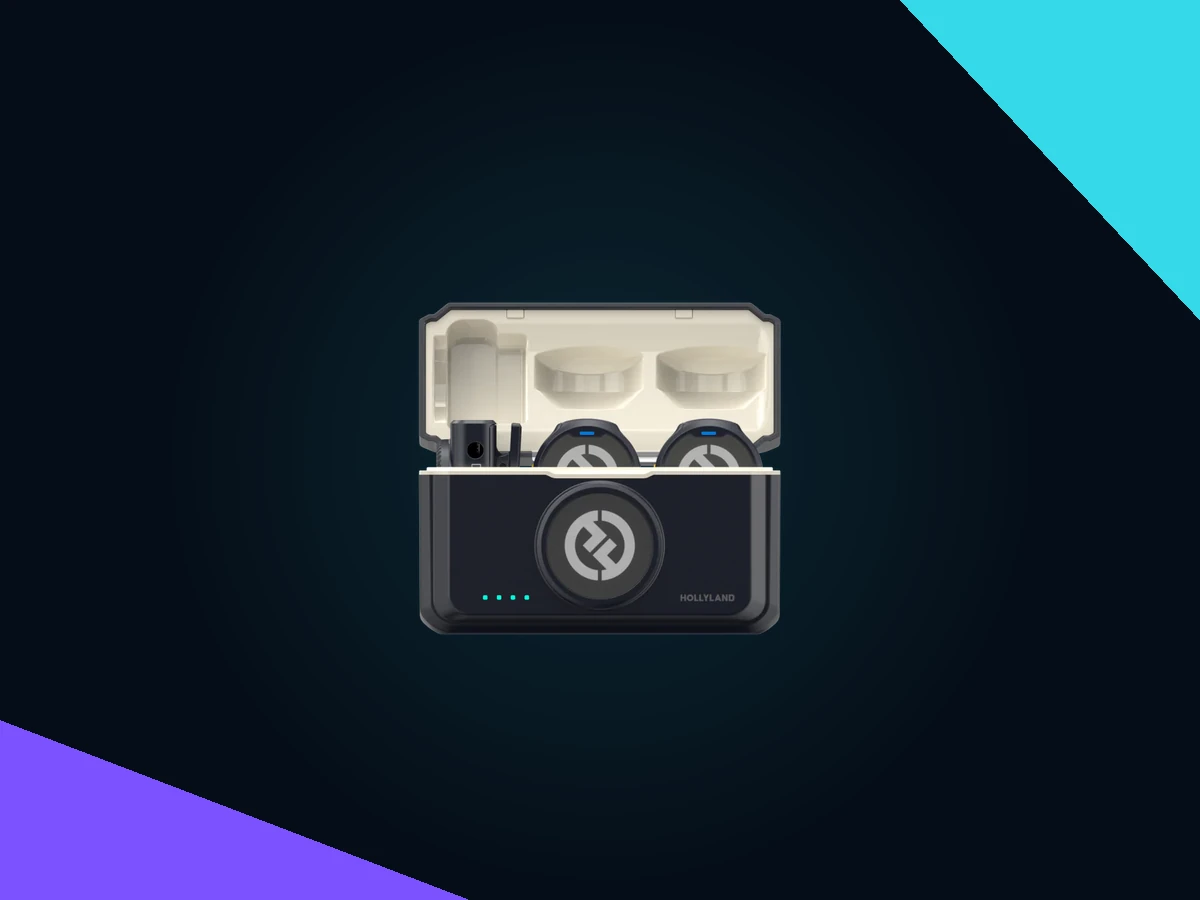 LARK M2
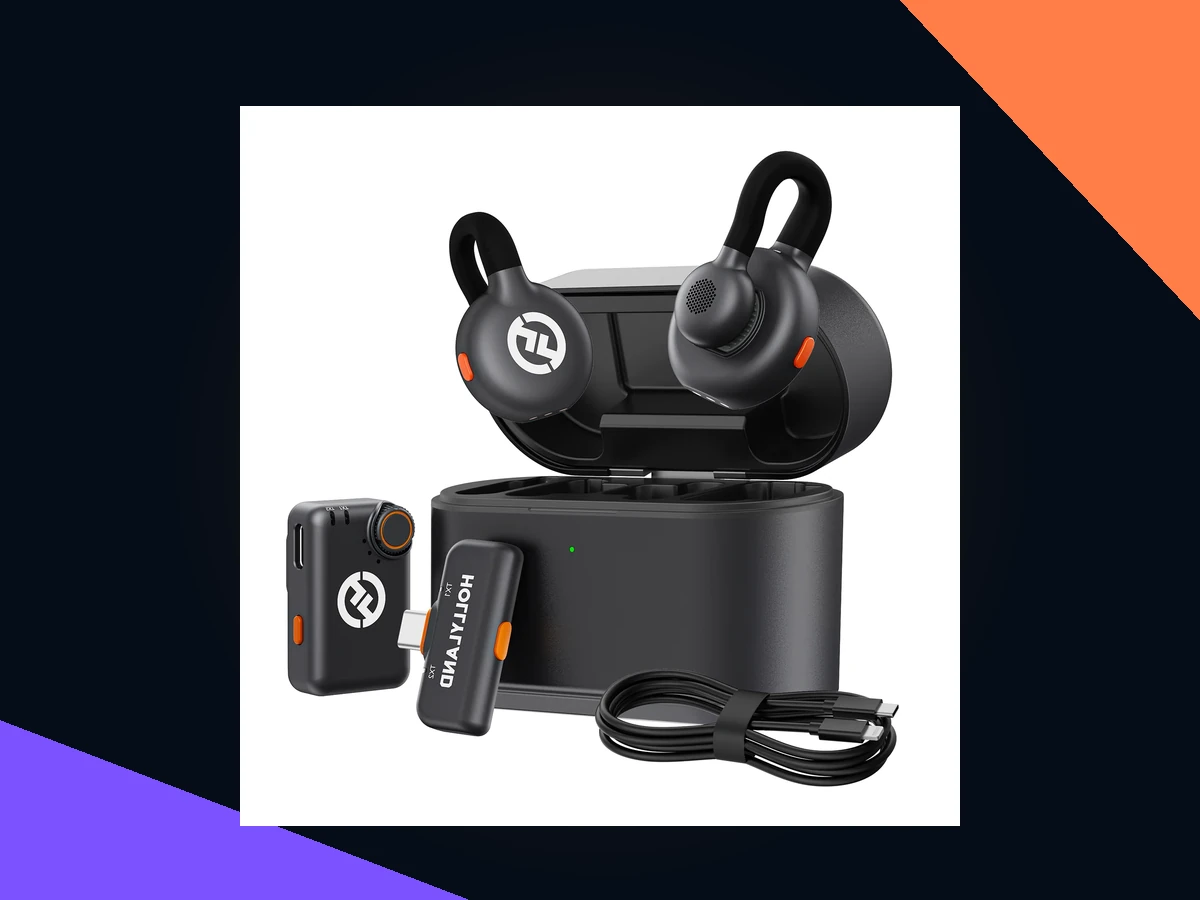 LARK M2S
Quick answer
when you prefer a small round magnetic transmitter and want camera, USB-C, Lightning or combo options.
when a lower-profile 7 g clip is the priority for interviews, presentations or polished on-camera work.
The LARK M2 transmitter is a round unit that attaches using magnetic accessories. The M2S uses a compact integrated clip. On paper, the systems share several headline audio and range specifications. In a real buying decision, the way the transmitter looks and stays attached can matter more.
For a casual vlog or travel kit, the LARK M2's button-style design may be convenient. For an interview, presentation or wardrobe where a round transmitter would draw attention, the M2S has the clearer design advantage.
Do not buy either product by name alone. List the actual recording devices first. A camera receiver, USB-C receiver and Lightning receiver solve different connection problems.
Hollyland's current LARK M2S FAQ describes the Ultimate Combo as including camera, Type-C and Lightning receivers. The regular Combo lists a camera receiver, Type-C receiver and Type-C-to-Lightning cable. The Mini Combo lists camera and Type-C receivers. LARK M2 is also sold in camera, USB-C, Lightning and combo configurations. The exact listing should be checked at checkout.
Hollyland lists up to 10 hours for each LARK M2 transmitter with environmental noise cancellation off and approximately 40 hours with its charging case. For the LARK M2S, Hollyland lists at least nine hours for each transmitter or receiver and up to 30 hours for the Combo configuration.
Both product pages claim up to 300 m in open, unobstructed or line-of-sight conditions. Walls, people, local wireless congestion and receiver placement can reduce practical distance. Since the published maximum is shared, range does not separate the two systems on paper.
A product page cannot tell you how the microphone sounds on your voice, how the link behaves in your location, whether the clip works with your wardrobe or how noise cancellation affects a specific environment. Those conclusions require direct recordings under explained conditions.